

‘Blood Everywhere’: Nurses Control Intense In-Flight Crisis ‘Blood Everywhere’: Nurses Control Intense In-Flight Crisis
August 13, 2024New Urgency Over Pregnant Women With Epilepsy, Their Foetuses, and Neonates New Urgency Over Pregnant Women With Epilepsy, Their Foetuses, and Neonates
August 13, 2024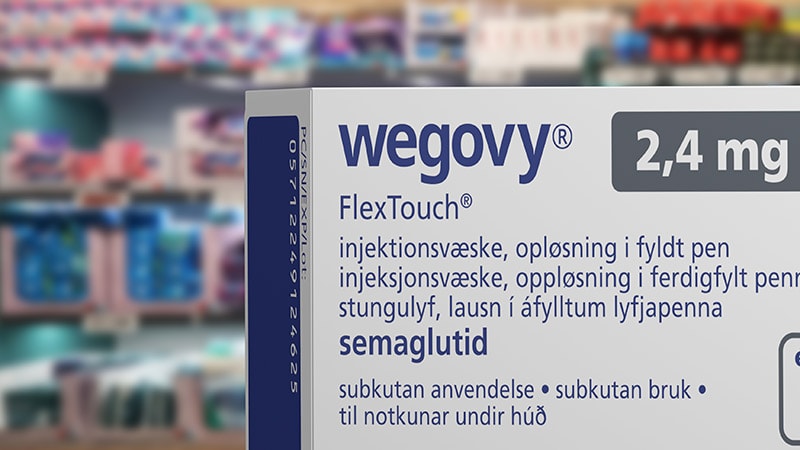
TOPLINE:
Semaglutide 2.4 mg (Wegovy) resulted in greater bodyweight reduction and reversion to normoglycaemia vs placebo in people with obesity and prediabetes. Safety and tolerability were consistent with previous studies and with the glucagon-like peptide 1 receptor agonist class.
METHODOLOGY:
- STEP 10 was a randomised, double-blind, parallel-group, phase 3 trial conducted at 30 trial sites in Canada, Denmark, Finland, Spain, and the United Kingdom.
- A total of 207 adults with body mass index of ≥ 30 kg/m² and prediabetes (A1c of 6.0%-6.4%/42-47 mmol/mol or fasting plasma glucose [FPG] of 5.5-6.9 mmol/L) were randomised 2:1 to once-weekly subcutaneous semaglutide 2.4 mg or placebo (n = 138 and n = 69, respectively) with diet and physical activity counselling for 52 weeks, followed by a 28-week off-treatment period.
TAKEAWAY:
- Estimated mean percentage changes in bodyweight from baseline to week 52 were greater with semaglutide 2.4 mg than placebo (−13.9% vs −2.7%; estimated treatment difference, −11.2%; P < .0001).
- Those in the semaglutide 2.4 mg group were more likely to have bodyweight loss of ≥ 5% (odds ratio, 15.9; P < .0001), ≥ 10% (32.7; P < .0001), ≥ 15% (52.2; P = .0001), and ≥ 20% (39.6; P = .0097).
- More in the semaglutide 2.4 mg group reverted to normoglycaemia at week 52 (81% vs 14%; odds ratio, 19.8; P < .0001).
- At week 52, semaglutide 2.4 mg was associated with significant improvements in total cholesterol, very low-density lipoprotein (VLDL) cholesterol, and triglycerides, with similar trends in LDL cholesterol, VLDL cholesterol, and triglycerides at week 80.
- Serious adverse events were reported by 9% in both groups.
- Adverse events leading to permanent study drug discontinuation were reported by 6% vs 1%, including gastrointestinal disorders in 5% vs 1%.
IN PRACTICE:
“These findings support semaglutide 2.4 mg as an efficacious treatment option for weight management and highlight the glycaemic benefit of semaglutide 2.4 mg treatment in participants with obesity and prediabetes…These findings support the potential use of semaglutide 2.4 mg as a treatment option for individuals with obesity and prediabetes to achieve reversion to normoglycaemia.” the authors wrote.
SOURCE:
The study was led by Barbara M. McGowan, MD, of Department of Diabetes and Endocrinology, Guy’s and St Thomas’ NHS Foundation Trust, London, UK, and colleagues and published online July 29, 2024, in Lancet Diabetes & Endocrinology.
LIMITATIONS:
Most participants were female and White, which could limit generalisability. Relatively small sample size. Baseline values for FPG and A1c used for inclusion criteria were at the lower end of the prediabetes range. No data on progression to type 2 diabetes. No active comparator.
DISCLOSURES:
The study was funded by Novo Nordisk, and three authors are company employees. Barbara M. McGowan received a research grant from Novo Nordisk; received honoraria as a consultant or speaker for Eli Lilly, Amgen, Novo Nordisk, Pfizer, and Johnson & Johnson; and is a shareholder of Reset Health.
