

What Winter Athletes’ Bodies Really Need What Winter Athletes’ Bodies Really Need
February 17, 2026How Biologics Benefit Challenging COPD How Biologics Benefit Challenging COPD
February 17, 2026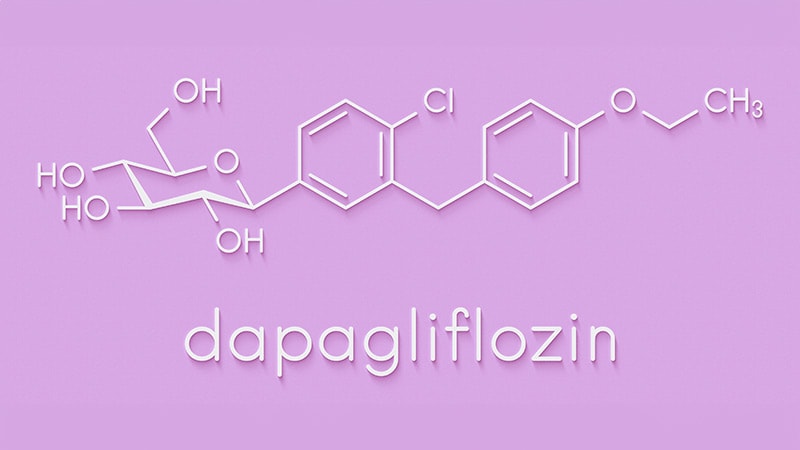
TOPLINE:
Daily 10-mg dapagliflozin treatment for 12 months was associated with a significant reduction in liver fat in patients with type 2 diabetes (T2D), independent of weight loss or other metabolic changes, according to a secondary analysis of a clinical trial.
METHODOLOGY:
- SGLT2 inhibitors may benefit patients with steatotic liver disease, but many prior trials have lacked objective, quantitative liver outcome measurements.
- Researchers conducted a secondary analysis of a clinical trial to evaluate whether the SGLT2 inhibitor dapagliflozin reduced liver fat over 12 months in patients with T2D and whether this effect was independent of weight loss or other metabolic changes.
- In the parent study, patients who had T2D for at least 5 years, A1c levels of 7%-10%, and who were previously treated with metformin, insulin, and/or sulfonylurea were randomized to receive dapagliflozin 10 mg or a placebo daily for 12 months.
- Liver fat was measured using MRI-proton density fat fraction at baseline and 12 months; body weight, BMI, glucose levels, A1c levels, liver function, and other variables were assessed at the same timepoints.
- A mediation analysis was used to estimate the indirect effect of weight change on the association between dapagliflozin use and changes in liver fat.
TAKEAWAY:
- Of 56 patients included, 27 received dapagliflozin 10 mg (mean age, 63 years; 22% women), and 29 received placebo (mean age, 63 years; 17% women).
- Compared with placebo, dapagliflozin was significantly associated with reduced fasting glucose levels (P = .006), A1c levels (P = .012), body weight (P = .015), and BMI (P = .014) at 12 months.
- Overall, 76% of patients had steatosis.
- At 12 months, dapagliflozin treatment was significantly associated with reduced liver fat compared with placebo; this association remained significant after adjusting for age, sex, BMI, baseline liver fat, baseline A1c level, and changes in BMI (P = .027).
- Weight loss was not significantly associated with changes in liver fat, whereas dapagliflozin treatment remained significantly associated with reduced liver fat, suggesting a potential independent effect.
IN PRACTICE:
“While others have hypothesized that the reduction in liver fat may be related to weight loss and glycemic control, our results suggest that liver fat reduction may be independent from weight loss and other well-described metabolic effects of SGLT2 [inhibitor],” the authors wrote.
SOURCE:
This study was led by Anna V. Naumova and Guilherme Moura Cunha, both from the University of Washington, Seattle. It was published online in Obesity.
LIMITATIONS:
The small sample size and single-center design may have limited generalizability. The limited number of patients with moderate or severe steatosis prevented subgroup analysis by steatosis severity. The use of post-processed cardiac MRI data did not allow for complete liver sampling.
DISCLOSURES:
This study received financial support from AstraZeneca, Bayer, and other sources. The authors reported no conflicts of interest.
This article was created using several editorial tools, including AI, as part of the process. Human editors reviewed this content before publication.
